About Andya,
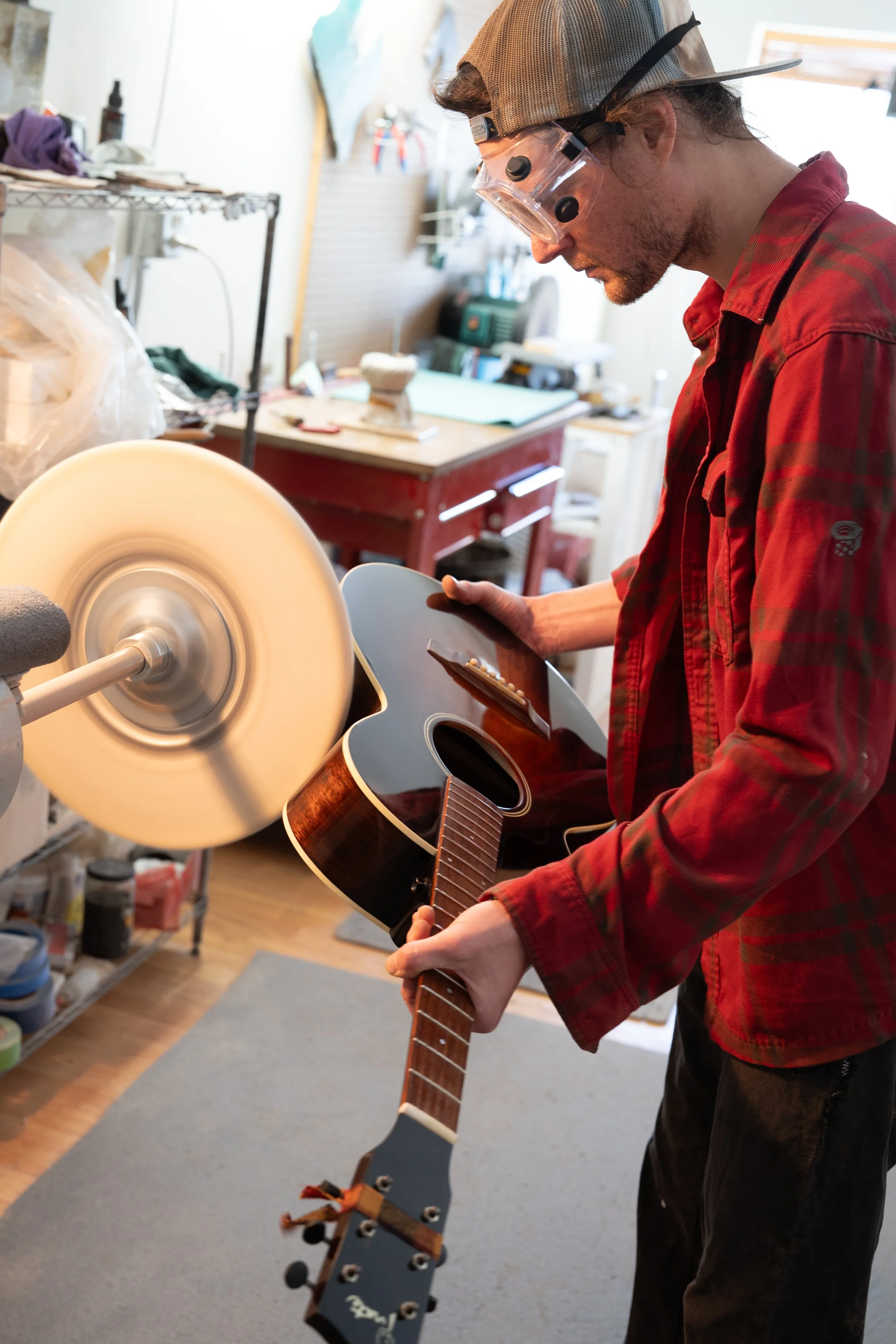
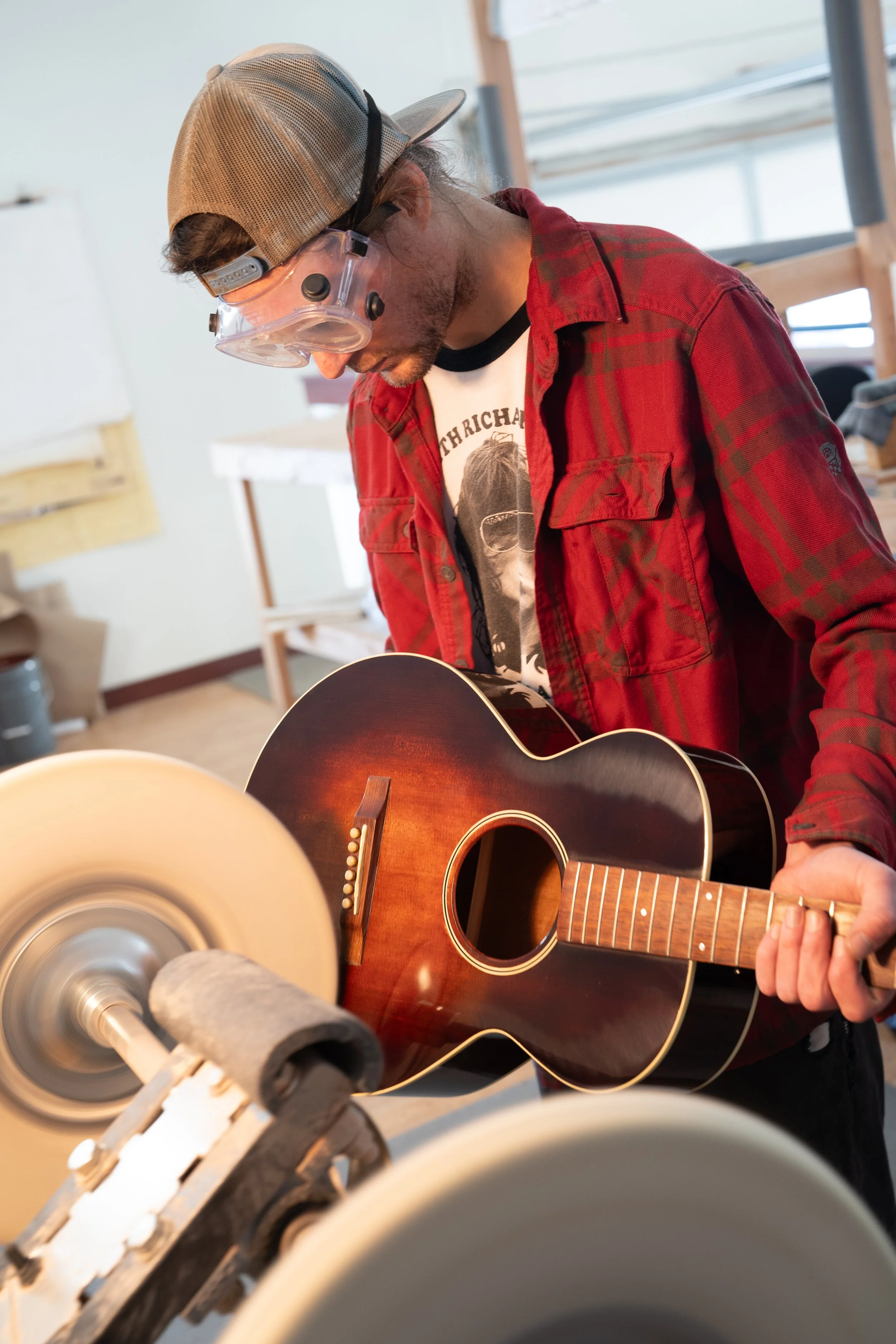
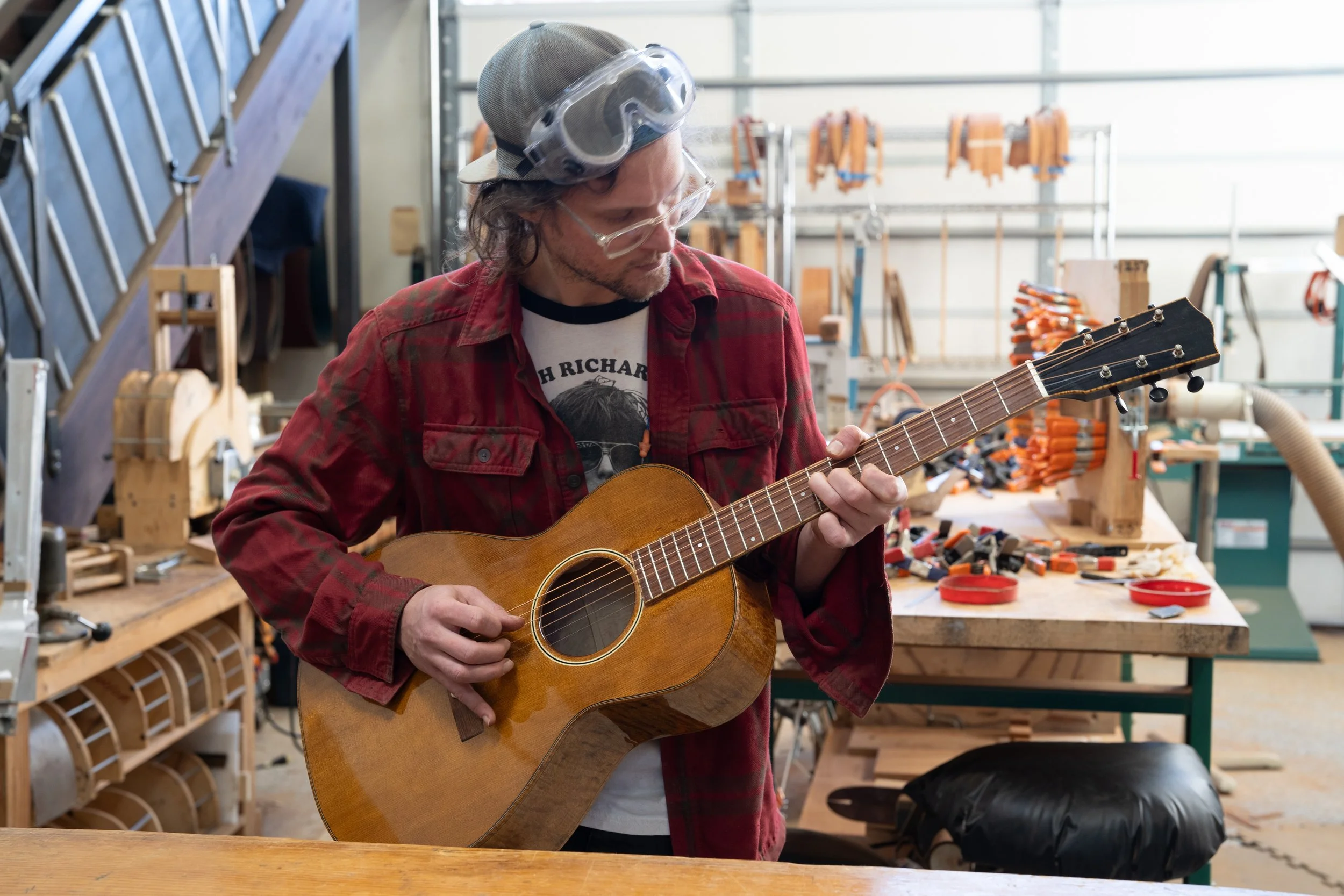
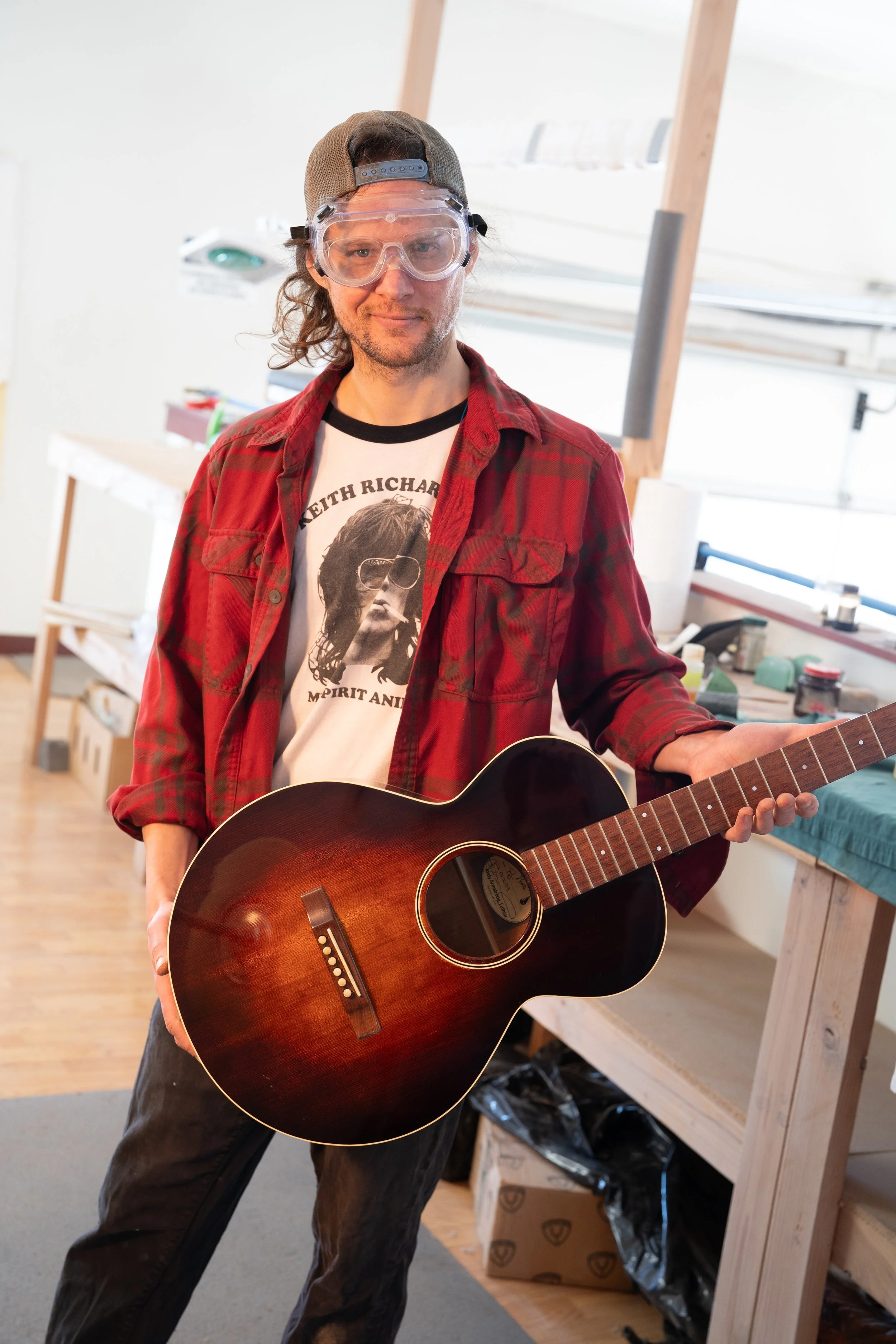
Andya guitars was founded by luthier Andrew Armstrong in Bozeman, Montana.
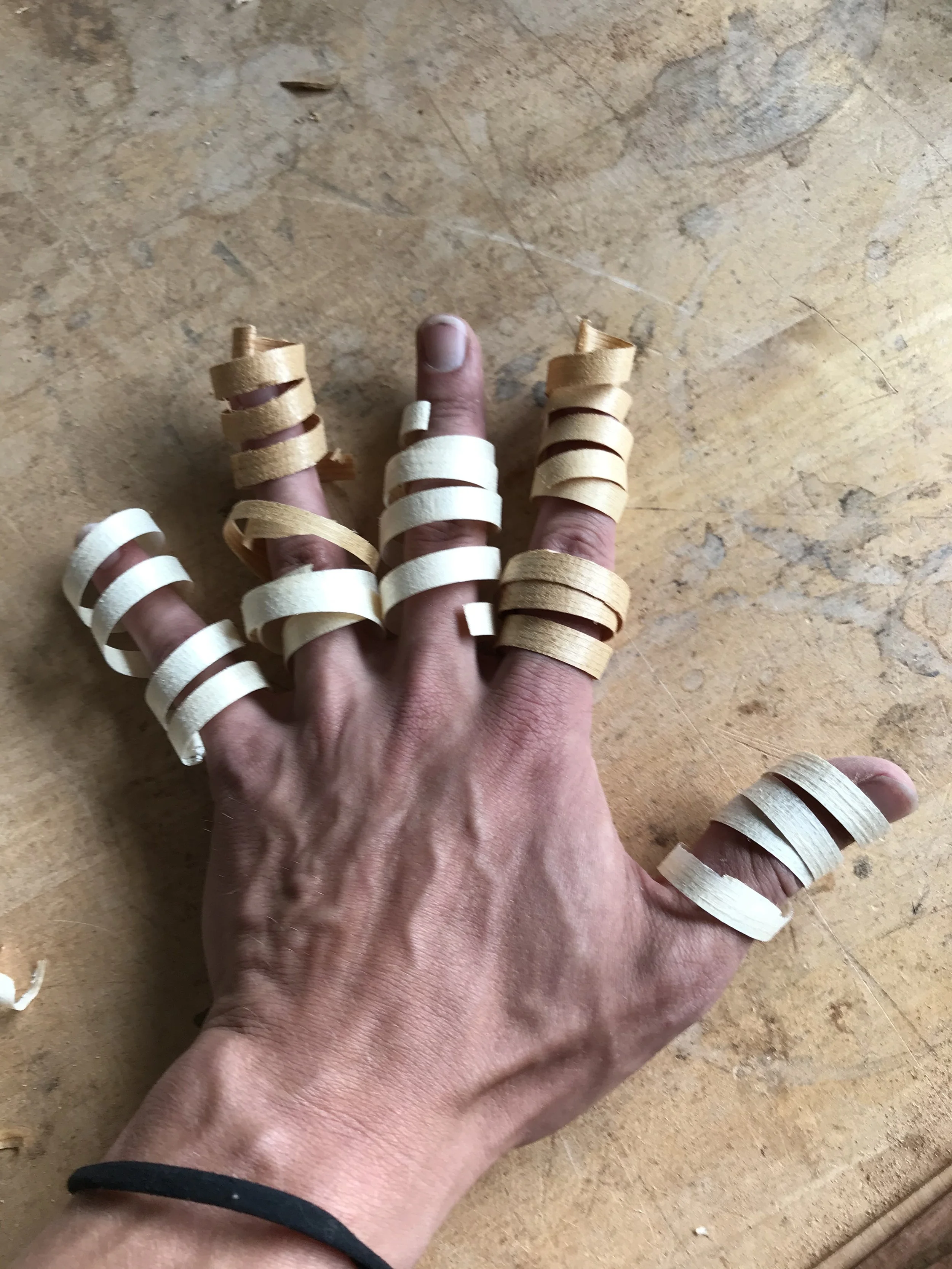
I am first and foremost a luthier and artist.
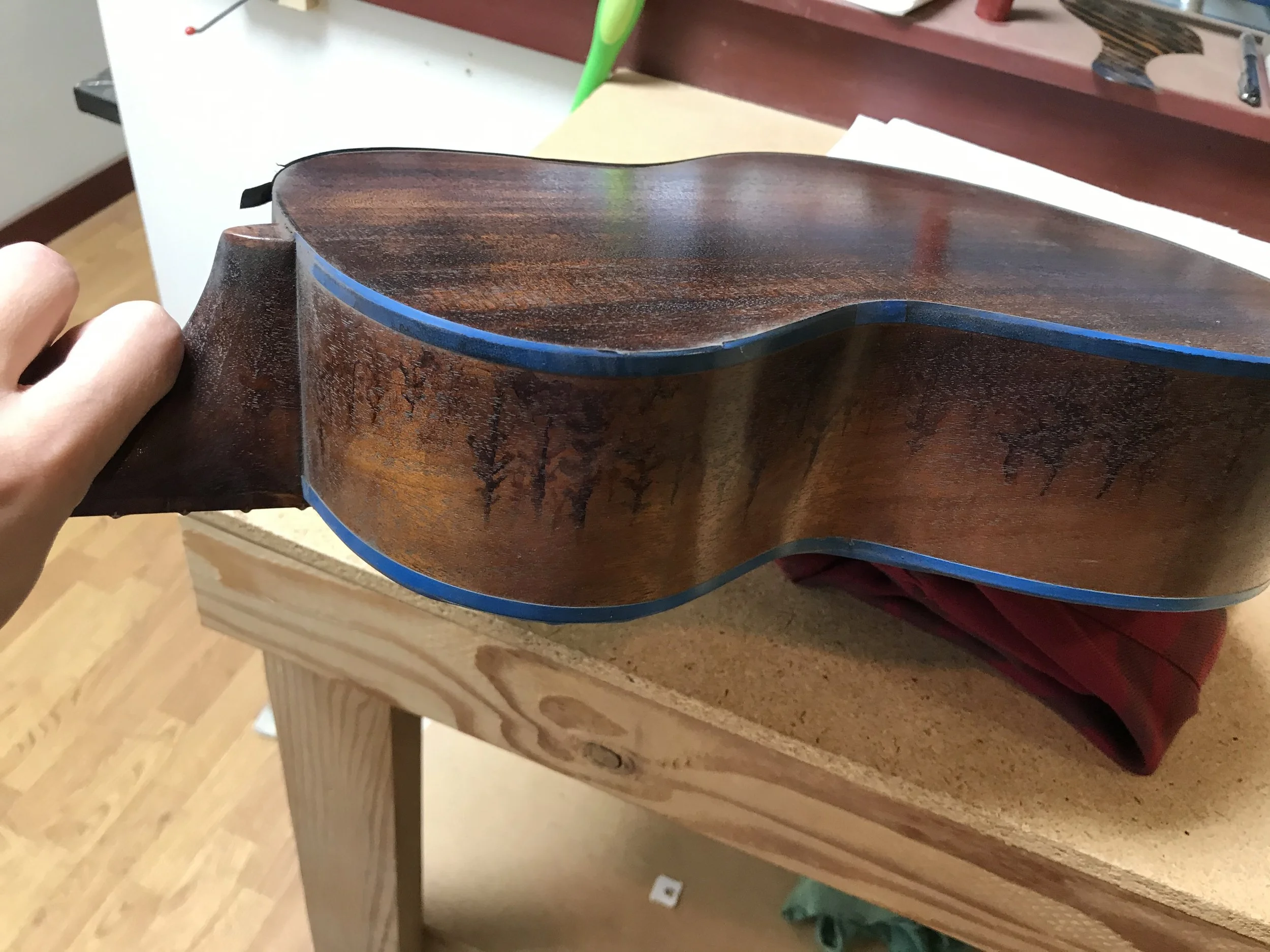
As a first generation luthier, my talents lie in building instruments. I’m passionate about music and while I love playing guitar, what I’m really good at is building instruments. I have been on an uncompromising journey in search of tone. The late nights and long days going over details or designs while experimenting with every instrument on the bench has not been an active choice but rather a personal quest for excellence.
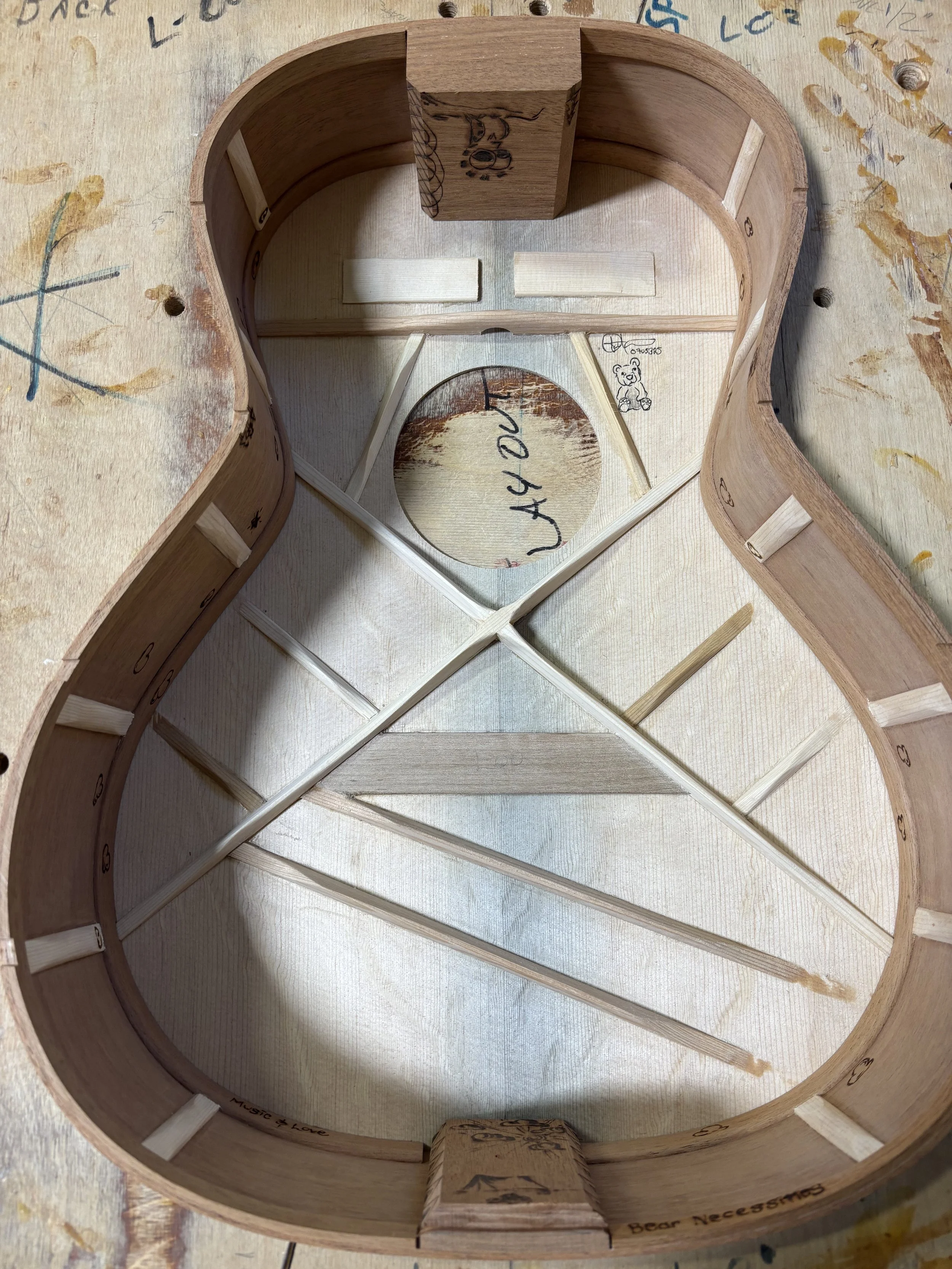
While I’ve been trained by some of the best luthiers in the world, there are hundreds of ways to build an acoustic guitar. I am incredibly purposeful in choosing approaches that culminate in the highest quality while realizing my clients artistic vision.
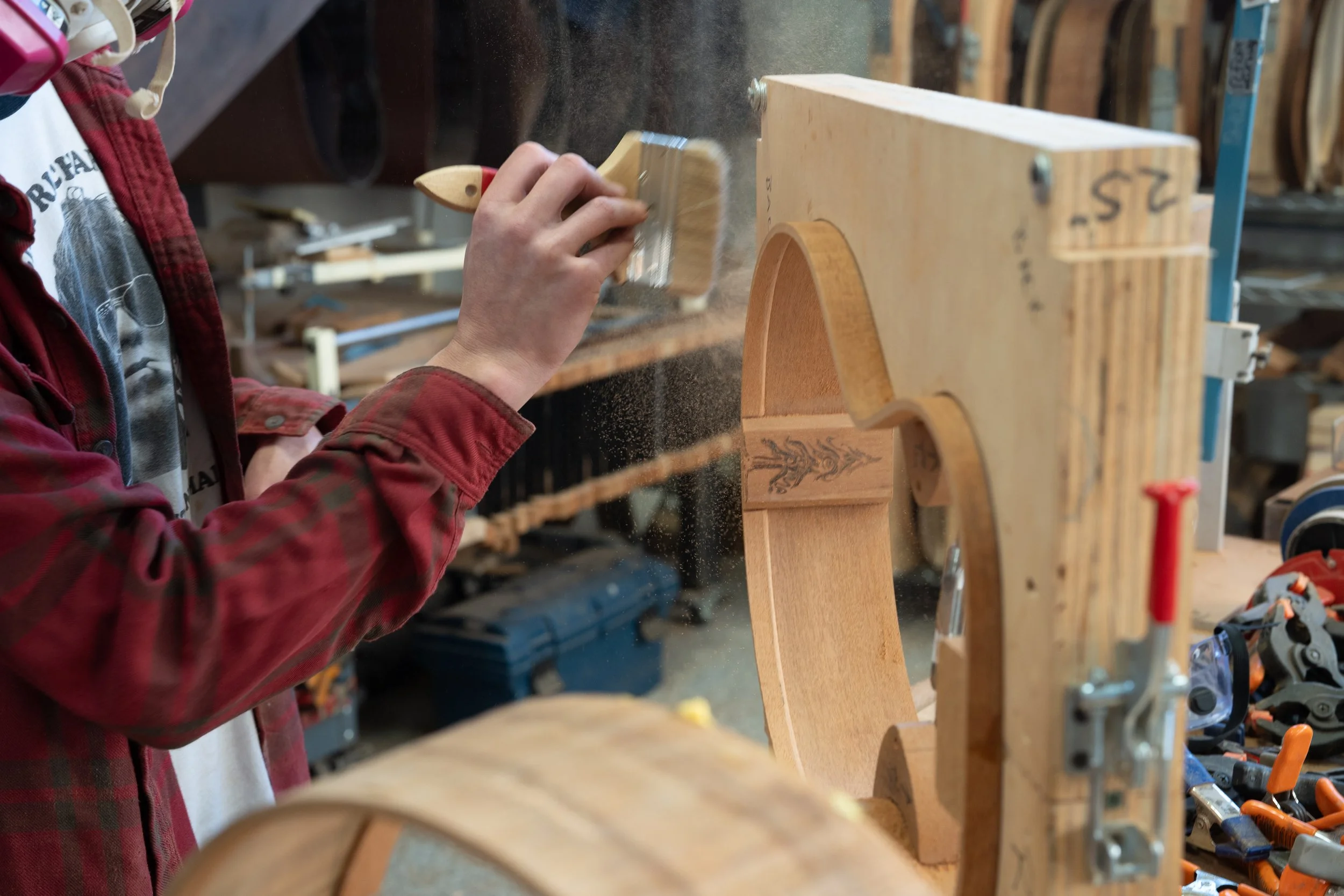
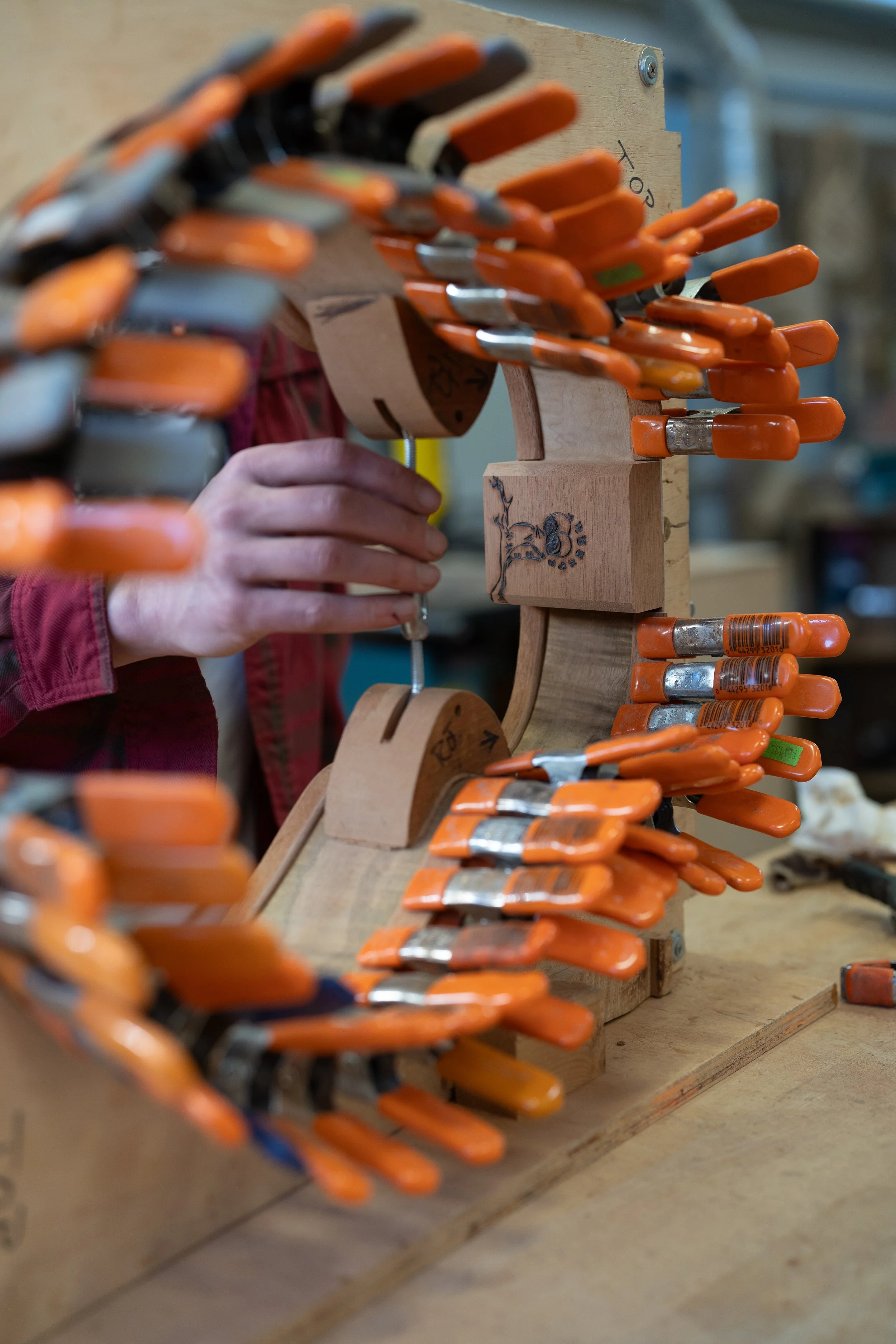
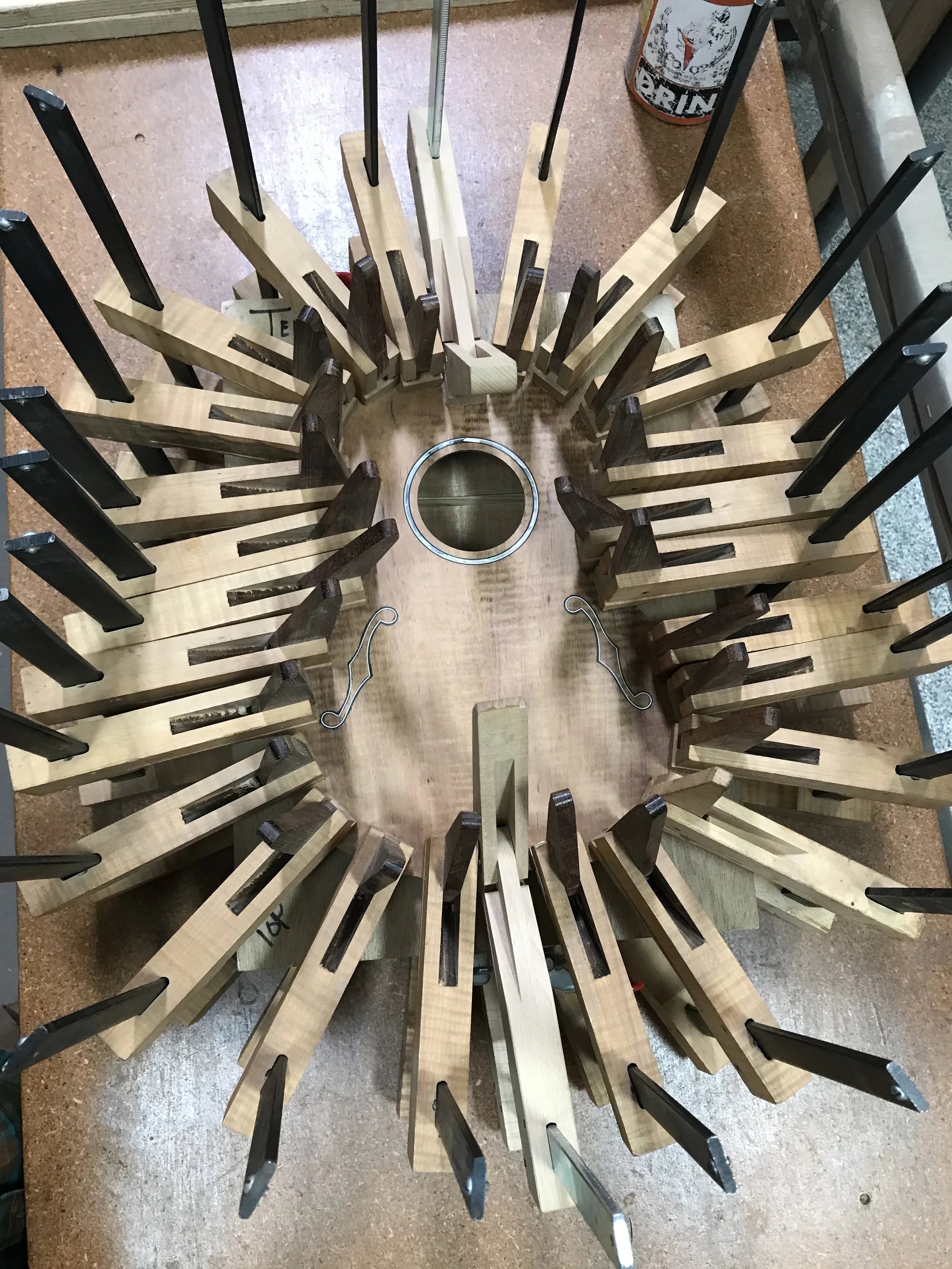
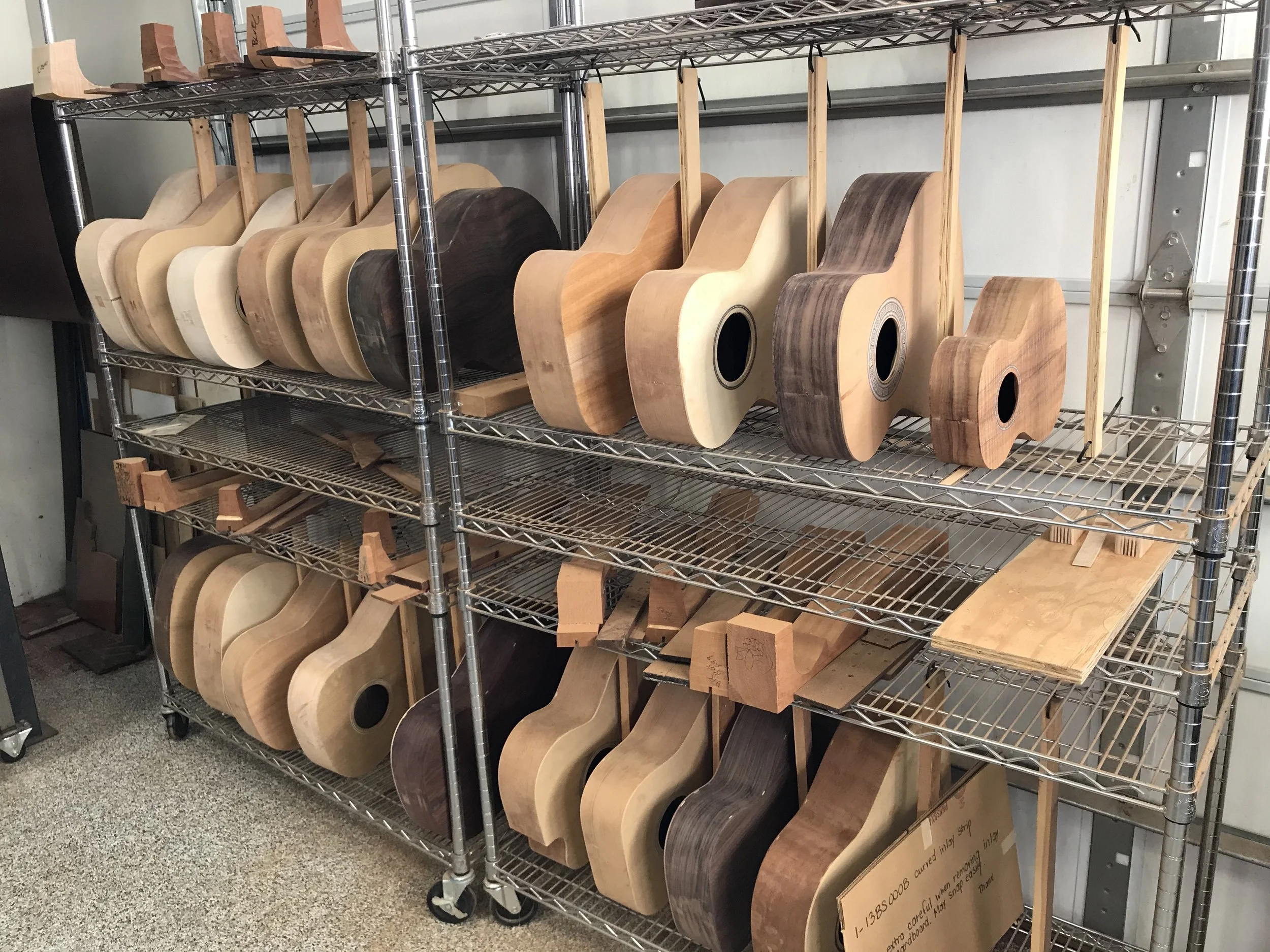
The Process
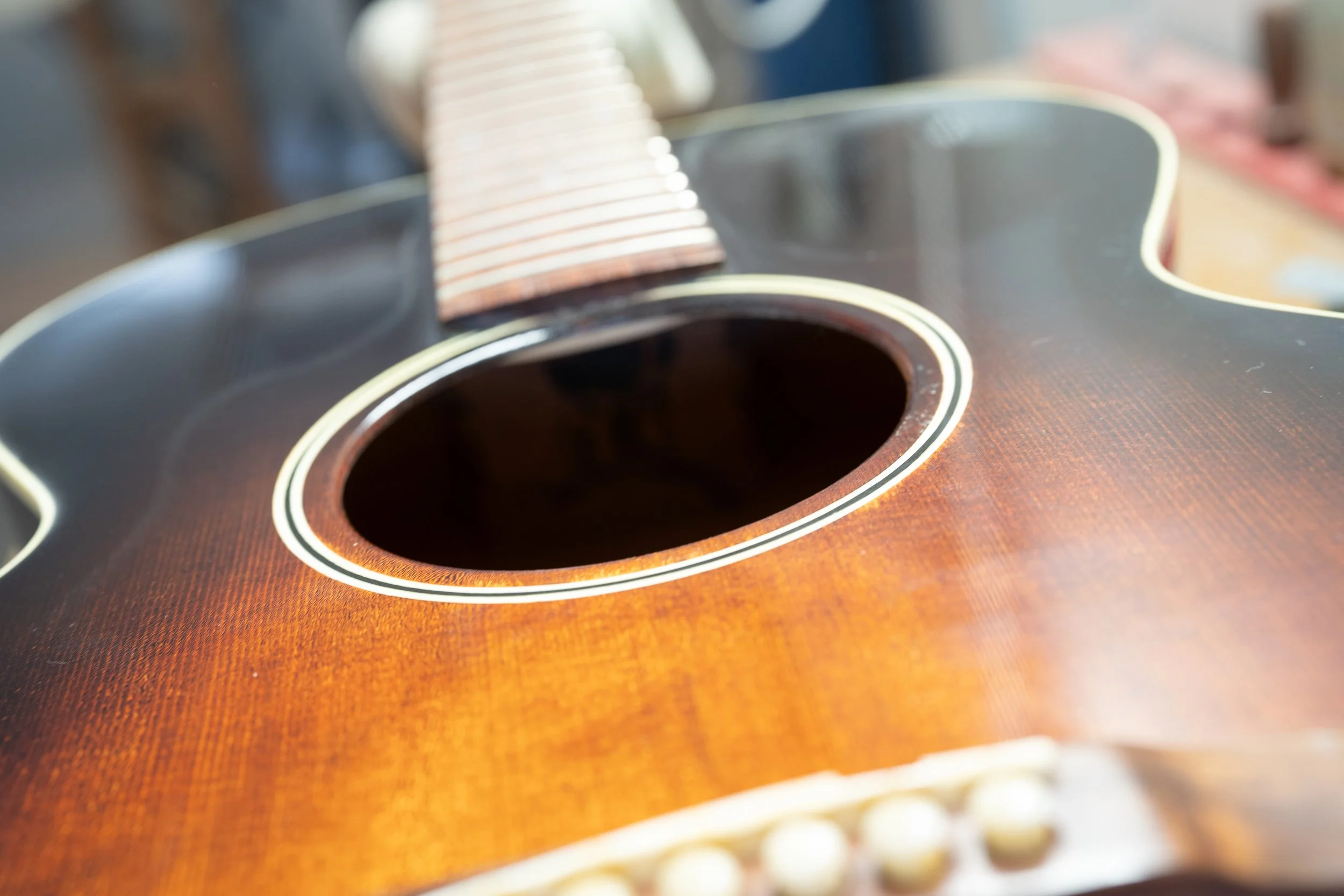
My process begins with focusing on tonal characteristics, design specifications and cosmetic appeal. As a visual artist, it is paramount to me that the whole package blends seamlessly into a tool that both inspires and allows the player to achieve their individual greatness.
Can a guitar really make you play better? Not surprisingly, yes.
From conception to realization, things get exciting. I can’t stress enough how good ingredients and traditional methods are the basis of my builds. Strong and stable woods are hard to come by. They are rare and expensive… and totally worth it.
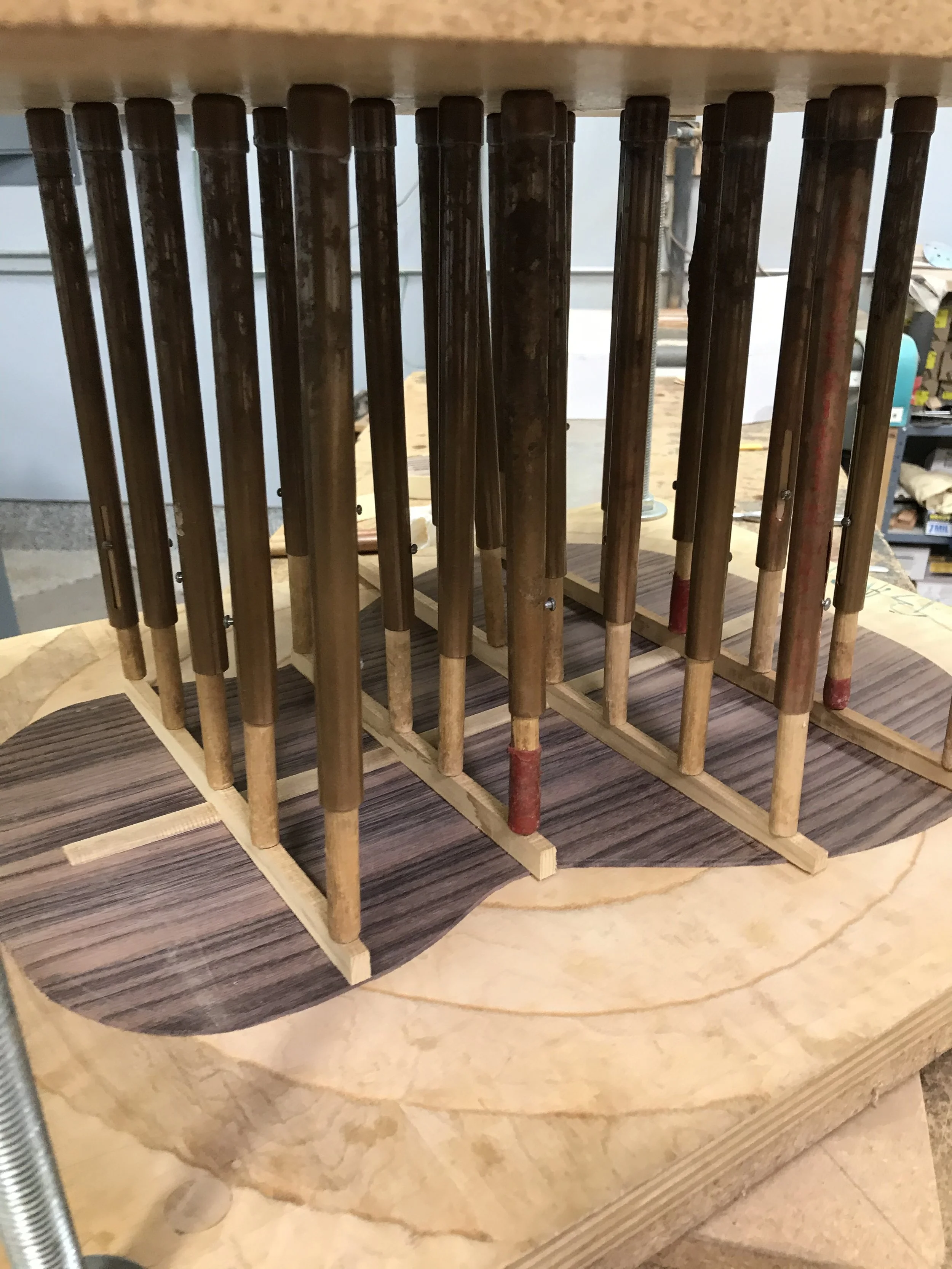
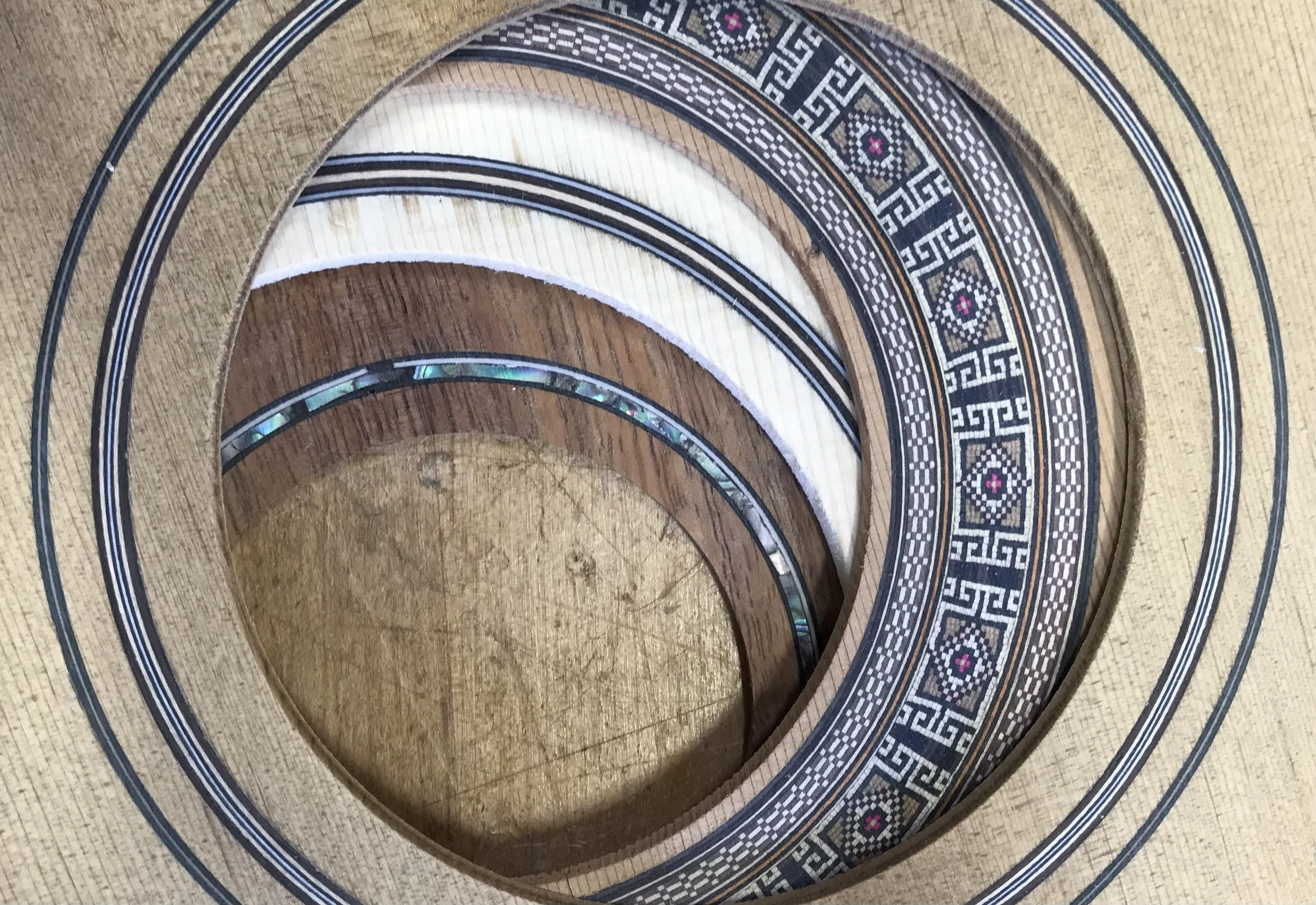
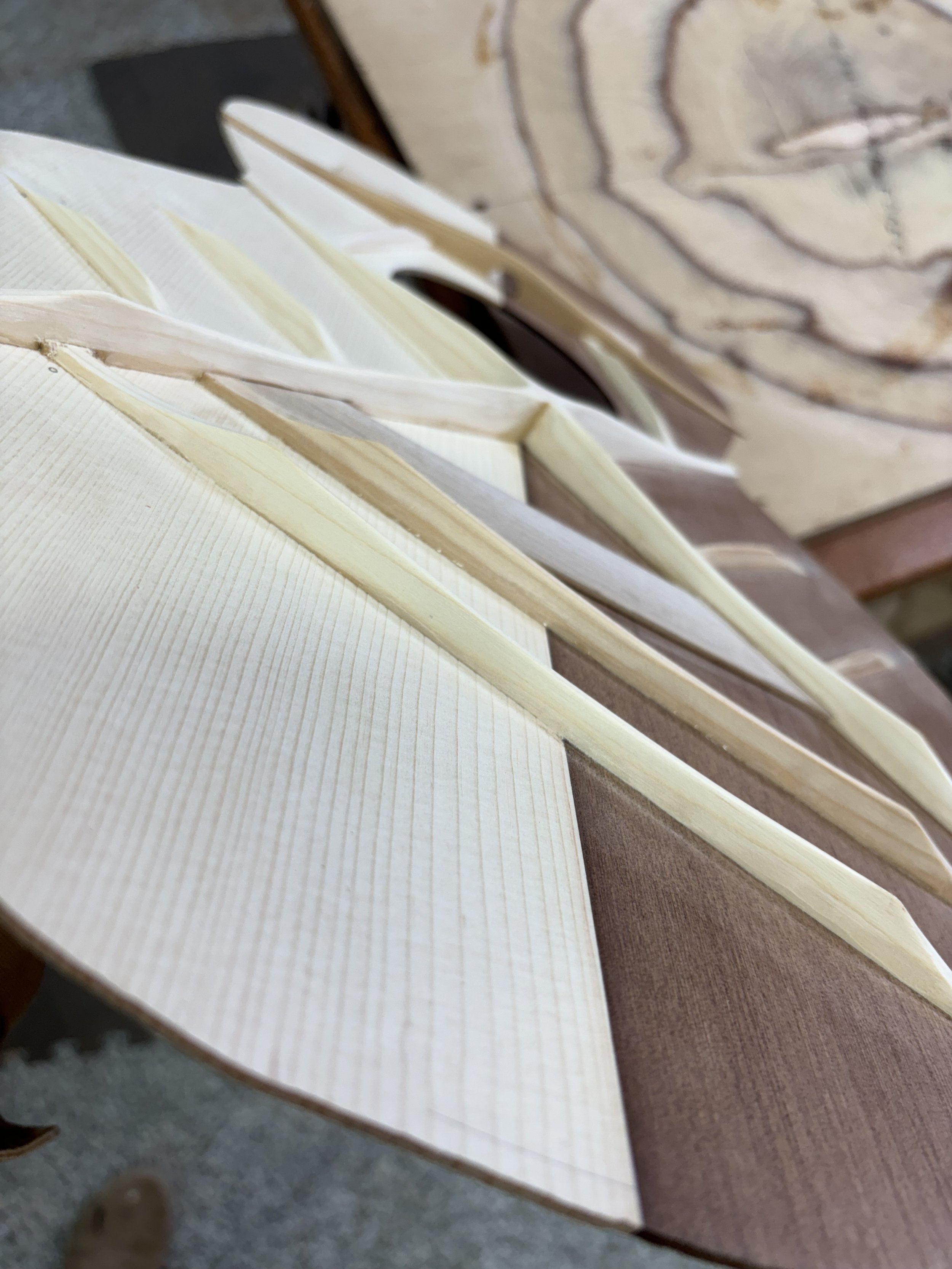
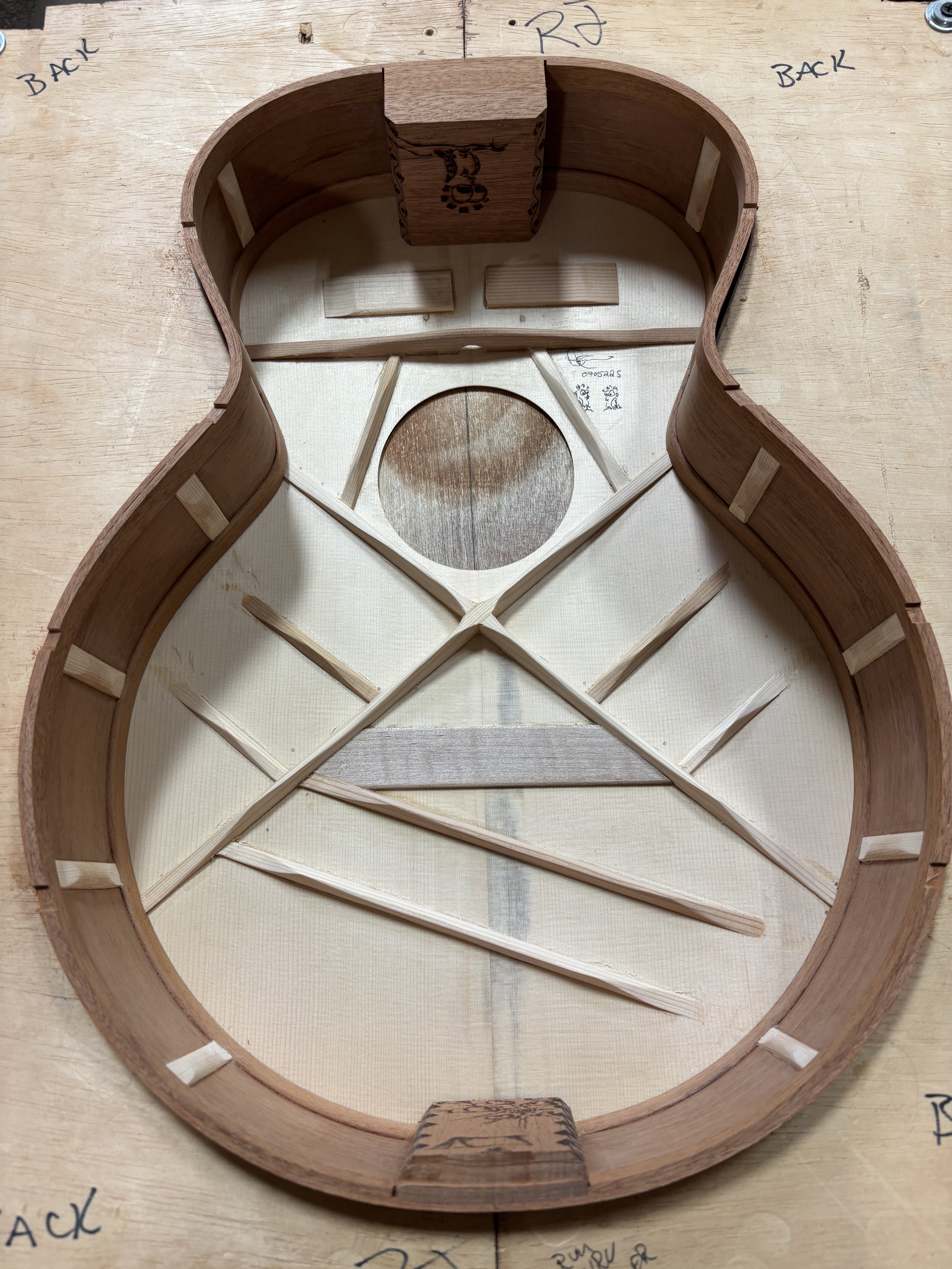
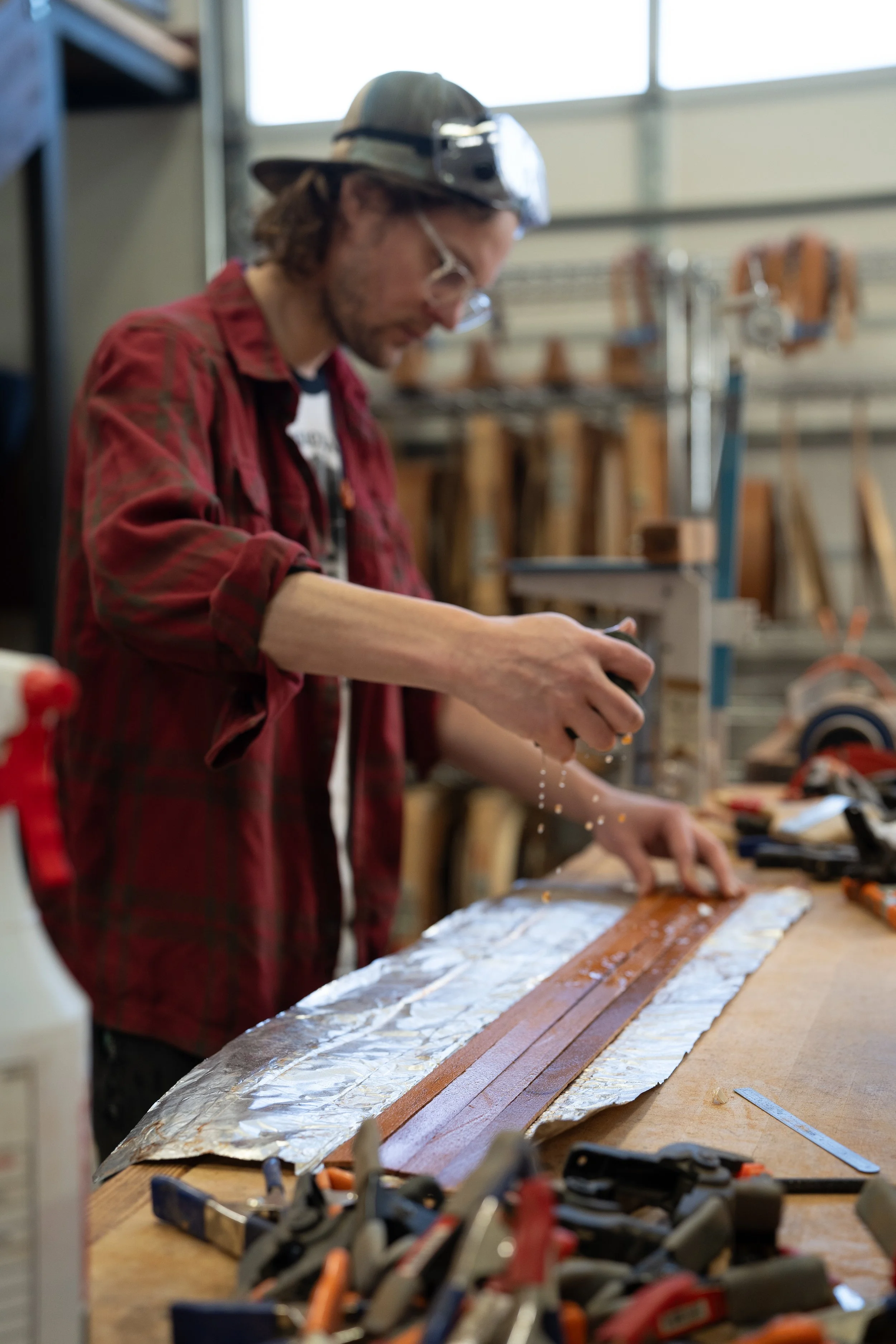
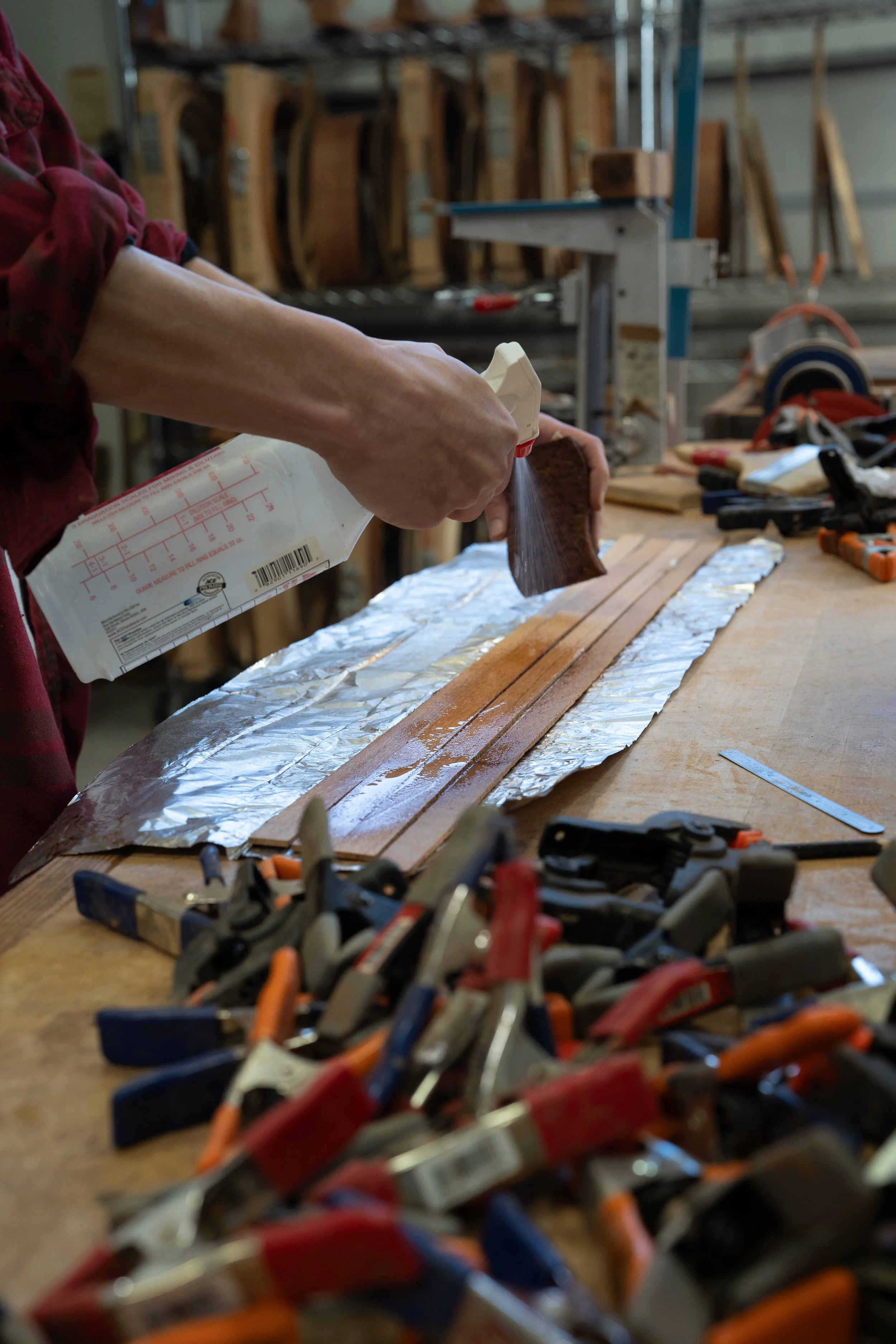
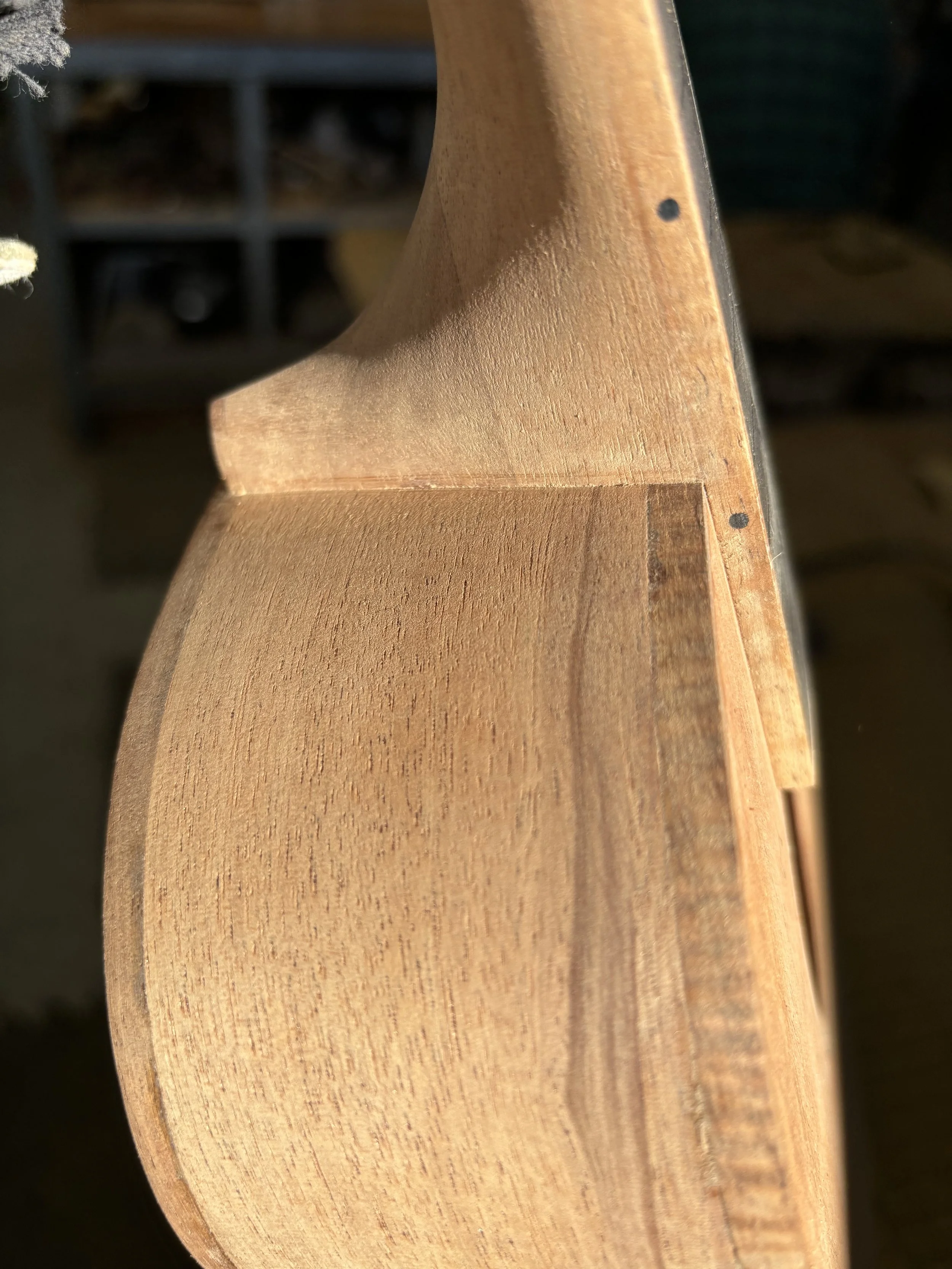
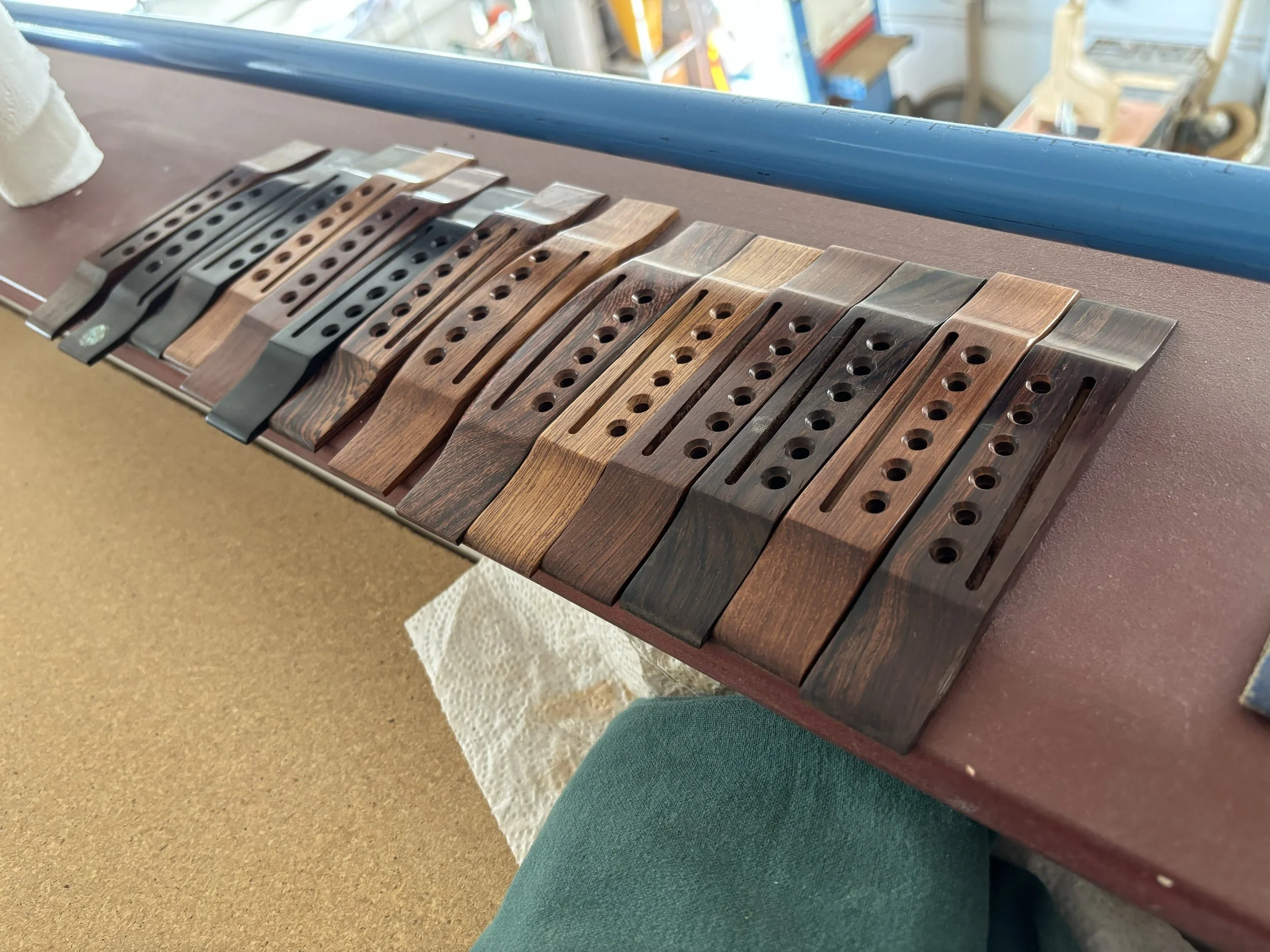
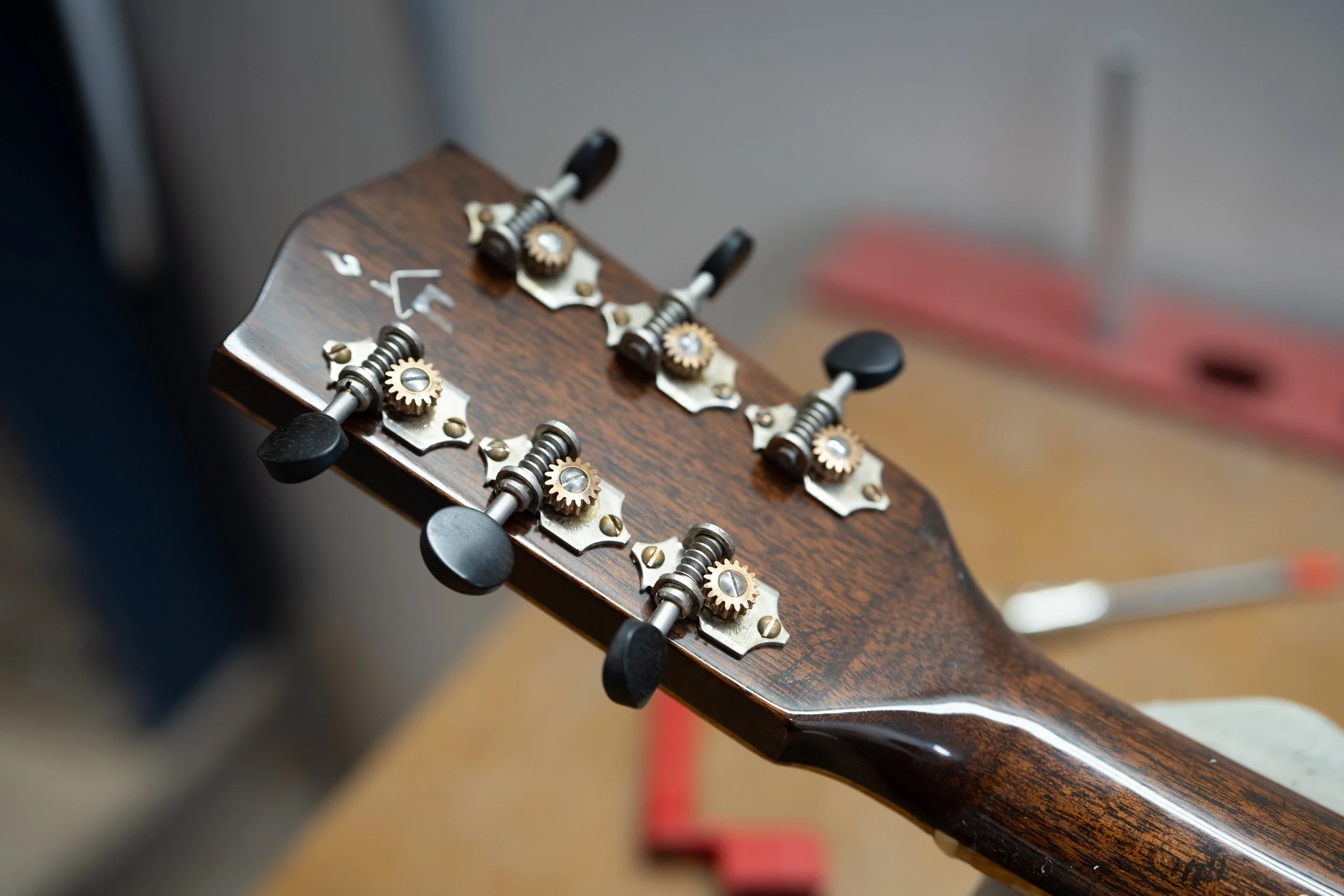
Over the years I have dedicated an abundance of time researching and experimenting with glues, woods and designs in order to get the results that set my instruments apart from anything else you will play. It takes longer to get a dovetail just right, but also worth it. I operate on the ‘less but better’ model which allows me to dedicate my time to each individual instrument in the fullest capacity. My old soul is stuck in the traditional methods with From the structure to the cosmetics, every part of your Andya guitar is meticulously crafted for excellence and character.